

Landlord Electrical Safety Certificate
Electrical Installation Condition Report (EICR)
We provide reliable Landlord EICRs, Electrical Safety Certificates, and Electrical Reports for landlords, buyers, and part-exchange across the East Midlands, plus fast remedial works to keep properties safe and compliant.
LEGACY ELECTRICAL
What is an Electrical Installation Condition Report (EICR)?
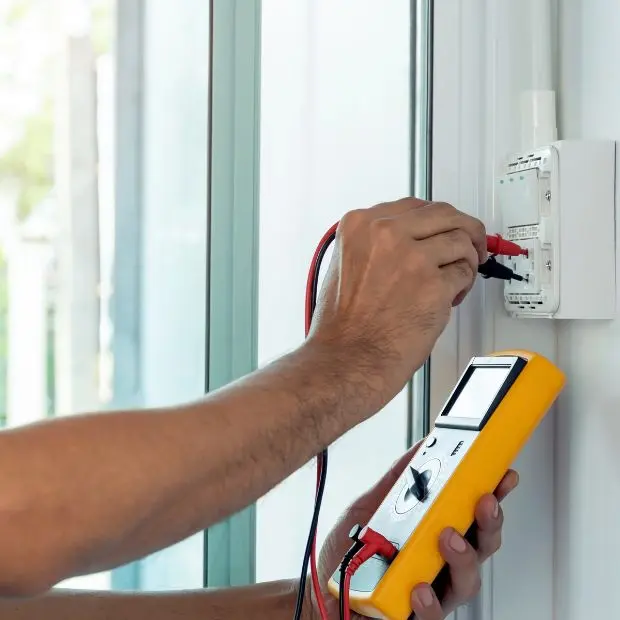
An EICR (Electrical Installation Condition Report) is a formal inspection of a property’s electrical system. A qualified electrician checks the wiring, sockets, fuse board, and overall installation to make sure everything is safe, up to standard, and not a fire or shock risk.
For landlords, it’s required every 5 years or at a change of tenancy.
What it includes:
- Testing circuits and wiring
- Checking the fuse board
- Identifying faults, wear, or hazards
- Grading issues (C1, C2, C3)
- A written report showing if the property is satisfactory or unsatisfactory
Book your Landlord Electric Safety Certificate Today
Don’t wait until tenancy start date or until you’re facing enforcement. Contact us for a free, no-obligation quote and schedule your Electrical Installation Condition Report (EICR) today.
Why landlords need an electric safety certificate
From 1 July 2020, landlords in England are legally required to obtain a valid Landlord Electric Safety Certificate (via an EICR) for every new tenancy. Existing tenancies had to comply by April 2021.
The inspection must be carried out by a suitably qualified person and the certificate provided to tenants (and to the local authority on request).
What does a EICR Electric Safety Certificate Cover
During the inspection we will:
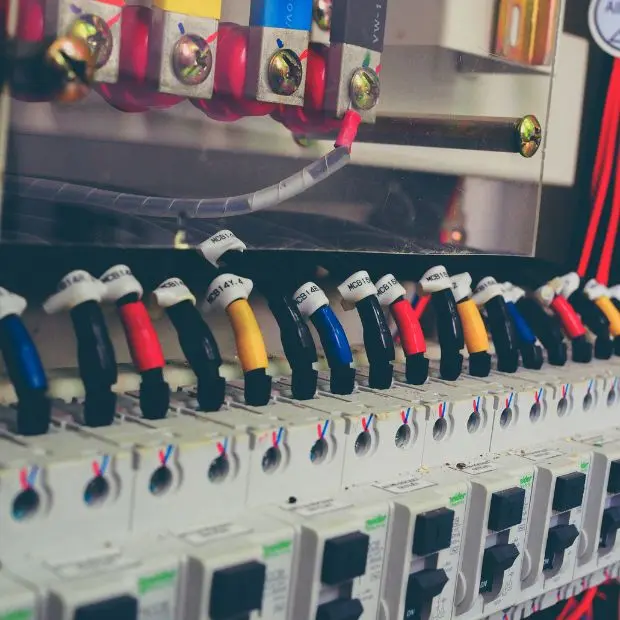
- Visually examine sockets, switches, wiring, consumer unit and all fixed electrical systems.
- Perform live testing, dead testing and RCD (residual current device) testing as needed.
- Assess whether installations comply with the current safety standard (BS 7671) and highlight any remedial work required.
- Issue a comprehensive certificate/report for landlords, detailing each circuit’s condition and overall status of the installation.
Landlord Obligations: Key Points to Remember
- Arrange inspection before new tenancy start date.
- Provide tenants with a copy of the certificate (or a valid equivalent).Keep the records for your property files.
- Address any urgent dangerous defects identified in the EICR without unreasonable delay.
- Ensure the electrician is qualified and competent to issue the certificate.

Benefits of Choosing Our Service for Your EICR
- Fully qualified and listed electricians, registered with recognised accreditation bodies (for example, NICEIC).
- Transparent, no-obligation quotes and clear reports.
- Rapid turnaround so you meet legal deadlines with no tenancy delay.Peace of mind: landlords know they are meeting safety obligations, protecting tenants, and mitigating risk.
- For homeowners: also available – even if you’re not a landlord, having an up-to-date EICR gives extra peace of mind for your own safety.
Identify electrical hazards early and easily
Ensure your property meets legal safety standards
Reduce the risk of electrical faults or fires
After the Inspection
After the inspection, you’ll receive a full report and your Landlord Electrical Safety Certificate. If any issues are found, we’ll advise on the repairs needed and provide a quote. Once corrected, the system can be re-tested and the updated certificate issued, with copies for both .
Costs and Call-Out Info
Costs for an EICR vary depending on property size, number of circuits, and the condition of the wiring. We offer competitive pricing and clear guidance on what your property needs. Call us 24/7 for a free estimate, answers to your landlord obligations, or advice on keeping your home electrically safe.
How Often Should an EICR Be Carried Out?
Though there is no one-size-fits-all interval, landlords should usually arrange an inspection every 5 years or sooner if previous reports suggest more frequent reviews. A property changing tenancy may require a fresh EICR to meet legal obligations.
FAQs – Frequently Asked Questions
An EICR is a formal, detailed inspection of the entire fixed electrical installation with testing and certification—usually required for landlords. A regular safety check might be less formal and not produce the legal certificate needed for landlords.
The inspection must be carried out by a “qualified and competent person”—typically a certified electrician registered with an organisation such as NICEIC or equivalent—and the certificate must reference the inspection of all fixed wiring and installations.
It isn’t legally mandatory for homeowners in most cases. However, arranging an EICR is a very good idea for peace of mind and may help with insurance or resale. For landlords, it is a legal requirement.
Failure to comply with current regulations may result in enforcement action from the local authority, invalidated tenancy insurance, and risk of fines. Most importantly, it puts tenants’ safety at risk.
Typically, the inspection of a standard rental property takes a few hours depending on size and condition. The certificate is issued electronically once the test is complete and all data processed.
Some examples:
- Worn wiring or cables not bedding into external walls without protection.
- Consumer unit outdated or lacking modern protective devices (RCDs).
- Socket outlets not properly earthed, loose, damaged or showing discoloration.
- RCDs failing to operate within safe time limits.
- Overloaded circuits or insufficient protective devices for modern electrical loads.
There is no absolute lifetime, but landlords are advised to arrange inspections at least every five years (or sooner if advised in the report). Always check the report for the specific “Next Inspection” recommendation.
Legacy Electrical
Contact Us
Call us 24/7 for full quotes and to discuss your EICR or landlord electric safety certificate requirements.